


In this article, I will be discussing all things Hydrocephalus related, but most importantly, what a shunt is and why they are used to help ease the fluid from a hydro head!

So, as you may know by now, I had my second son back in 2020. When I was 20 weeks pregnant, we discovered that Fox had several abnormalities in his scan, one of which being Hydrocephalus. So, let’s just jump right into it. What is Hydrocephalus?
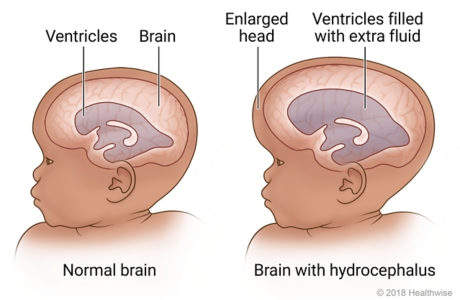
Hydrocephalus, in simpler terms, is a build up in fluid around the brain. This excess fluid will therefore put pressure on the brain, which can cause damage. Being that there is no way for the fluid to drain out of the head, a shunt is required to manually drain it. Hydrocephalus is caused by an imbalance between how much cerebrospinal fluid is produced and how much is absorbed into the bloodstream. Hydrocephalus can occur at any age but is most common in infants.
So why or how does hydrocephalus happen? Well, in my son’s case, we were informed that the type of hydro he has is genetic from the maternal father’s side of the family. This is called X-Linked, or L1CAM. L1 syndrome is an X-linked genetic disorder that occurs primarily in males. L1 syndrome is caused by mutations in the L1CAM gene located on the X chromosome. The key indicator for us to know that this is the kind is because Fox has adducted thumbs. Meaning, his thumbs go inward toward his palms. The thing about X-Linked Hydro is that it only occurs in males. So when a mother, like myself, who is a carrier for this genetic disorder has a child, specifically a boy, there is a 50/50 that that boy will get this gene. Sons of female carriers have a 50 percent chance of inheriting the disease while daughters have a 50 percent chance of becoming carriers. My first son, Caspian, does not have this, but my second born, Fox, obviously does.
What causes hydrocephalus? There’s many different things that could. There’s congenital and acquired. It could be genetic, or associated with developmental disorders associated with birth defects. It can also occur from complications in premature birth or even an infection during pregnancy. Brain tumors can be a factor in hydrocephalus, along with the patient getting an infection in the nervous system or injury that can cause bleeding in the brain.
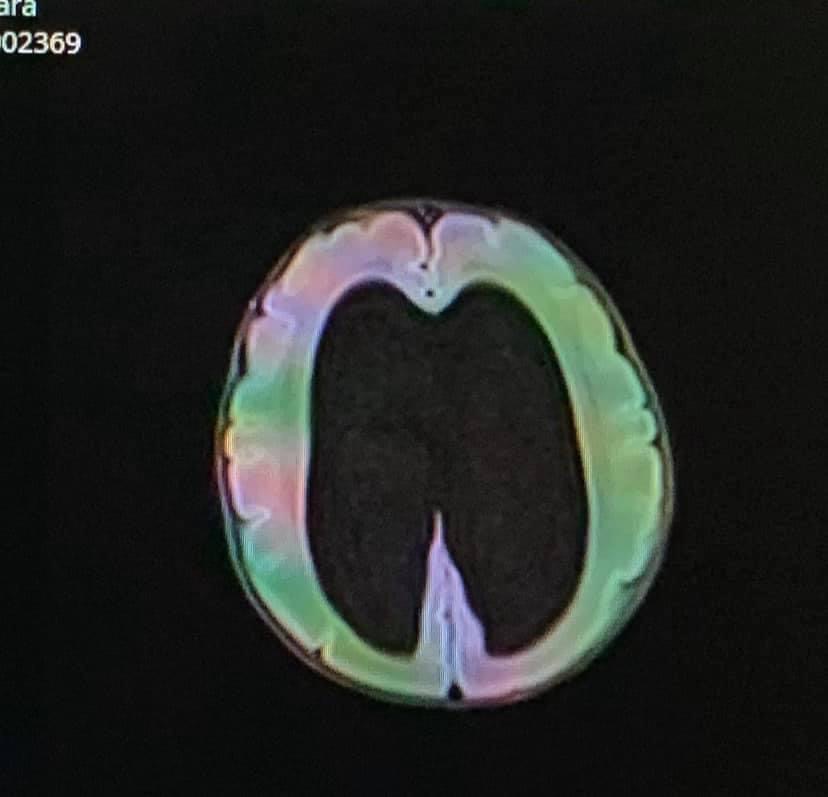
Hydrocephalus is a life-threatening condition that effects over one million Americans alone. Surprisingly, this condition is one of the most common birth defects, with about one in every 500 births resulting in it. And anyone, at any age can develop it. The survival rate in untreated hydrocephalus is fairly low, with about 50% of deaths within the first three years of age, and 80% before adulthood. But, with treatment, there’s a 95% survival rate! Shunts and ETV surgery are the two main treatment options.
Some symptoms of Hydrocephalus include:
- An unusually large head
- Rapid increase of the size of the head
- Bulging on top of the head
- Vomiting
- Irritability
- Drowsiness
- Sun-Downing (Where the eyes go downward)
- Seizures
- Headaches
- Blurred Vision
- Poor balance/coordination

So, what’s a shunt? A shunt is a hollow tube surgically placed in the brain (or occasionally in the spine) to help drain cerebrospinal fluid and redirect it to another location in the body where it can be reabsorbed.
When Fox was born, he spent 87 days in the NICU, as I had to have an emergency c-section in January at 29 weeks due to me developing severe preeclampsia, which almost killed me. While in the NICU, he had a few other surgeries due to the fact that he was born with his bowels disconnected, and this is called duodenal atresia. He had a G-Tube placed, but over a year ago, that had been removed, as he eats and drinks everything orally now. He also was born with a fused kidney on the left side, leaving an empty space on the right. He is more prone to reflux and UTI’s because of this, so he takes daily medication for prevention. He had five small holes in his heart which cleared up on their own. We have no idea where all of this things come from, but are currently working with a genetics doctor to see if we can find some answers! Another thing to note, that 7 weeks after he was born, he was taken down for surgery to reconnect his bowels and to place the G-Tube. But, due to improper intubation by the anesthesiologist, who had placed the intubation tube into his esophagus, he ended up needing CPR because CO2 was not coming out and they had to postpone the surgery. That will be a story for another day (probably a Youtube video) as this caused major protocol changes in the hospital we were at, and his trachea became narrow, as the anesthesiologist had damaged in. Now, anytime he is put under anesthesia with the tube placed down his throat, he usually has to be admitted overnight and stay intubated longer than usual because he becomes very wheezy and his breathing becomes bad.
So, in August/September of 2020, he had to have a helmet because the right side of his head was severely flattened. He had been 7 months old at this point, and had no shunt placed yet. But, after only a week of wearing the helmet, it stopped fitting. And this was a clear indicator that his head was rapidly growing once more. So his neurosurgeon decided we would try what is called ETV Surgery first.
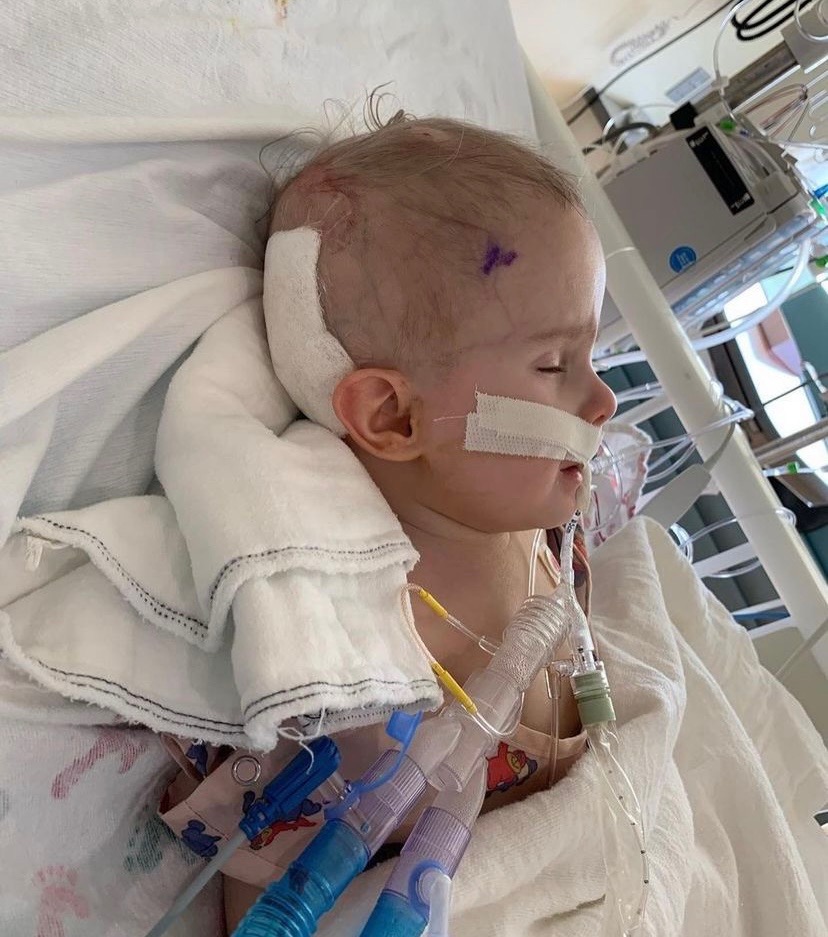
ETV (endoscopic third ventriculostomy) surgery is an alternative to shunt placement, where a neurosurgeon goes into the brain and pokes a little hole within it, to drain the fluid manually. So, Fox had this done and was admitted after, because the rapid release of fluid caused for him to have two seizures, which he had never had before. But after he was stable, we were sent home in the hopes that this surgery would do the job. ETV surgery does not always succeed, and in Fox’s case, it hadn’t. We had noticed that on the top of his head, where the surgeon went in to poke the hole, a large bump had formed and kept growing. So a month later in November 2020, Fox underwent shunt surgery placement. Fox is now over 2 years old and has not needed a revision. The shunt seems to be doing wonders for him and this upcoming September he will be put under anesthesia to have an hour and a half long MRI just to ensure his shunt is working properly.
Now, what is a shunt revision and why are they sometimes necessary? Sometimes, things can fail or get messed up/stop working. Shunts can have that happen, and when/if it does, the patient will need to undergo another surgery to replace the shunt or a part of it. Shunt revisions can be necessary when a child grows and outgrows the shunt, or an accident happens. Sports can cause issues with shunts, that is why it is always important to ask a doctor first, if/what certain sports are allowed while having a shunt. Shunts can also get blockages, which would make it crucial for a revision as well. Some doctors have said that about half of all shunt revision surgeries happen within the first 6 years. But, there’s truly no set time to when or if one is needed.
Some signs of shunt failure include:
- Headaches
- Vomiting
- Drowsiness
- Irritability
- Seizures
- Swelling
- Confusion
- Redness around the shunt site
One thing about having a child with a shunt, is the constant fear and worry we have that something could go wrong. Every fall, trip or injury causes panic. Fox has taken a few tumbles now that he’s finally standing with the assistance of objects, and when they happen, we immediately rush him to the ER. Having a toddler with so many medical issues can be anxiety inducing. And Fox still doesn’t exactly say words yet, so it’s hard to know if something is wrong. Thankfully, (knock on wood), we have had no issues when these accidents happen. But it’s always important to get them checked out just in case. Kids can be reckless and wild, and as parents, we have to always stay vigilant. But, the best thing to do is to try and not worry. I know, I know, it’s much easier said than done. But, we can’t let our fears consume us. And staying positive and keeping up on doctor appointments and visits is very important. Just know the signs of when things could be wrong, and keep informed! If you are a parent of a child with hydrocephalus and/or a shunt, remember you are doing everything you can to be the best parent possible. It’s very easy for us to get in our own heads and think we aren’t doing enough, but believe me, we are! You got this!
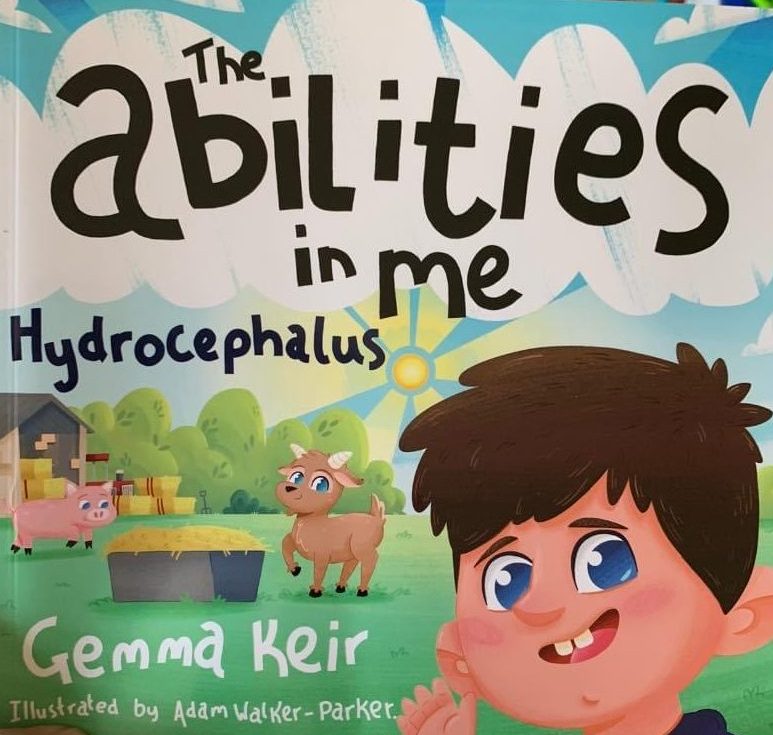
Also, a great book for kids would be The Abilities In Me – Hydrocephalus by Gemma Keir! It can be purchased on Amazon for just $11.34. It’s really an awesome book used to explain to young children on their condition and even has some information on shunts in it! Get yours here: https://www.amazon.com/abilities-me-Hydrocephalus-Gemma-Keir/dp/B08FP7QGZT/ref=asc_df_B08FP7QGZT/?tag=hyprod-20&linkCode=df0&hvadid=475691967783&hvpos=&hvnetw=g&hvrand=1562849949344978176&hvpone=&hvptwo=&hvqmt=&hvdev=c&hvdvcmdl=&hvlocint=&hvlocphy=9030226&hvtargid=pla-959082260380&psc=1

 Crohn's Chronicles